Introduction: Choosing the Right Trolley is the Key to True Handling Efficiency
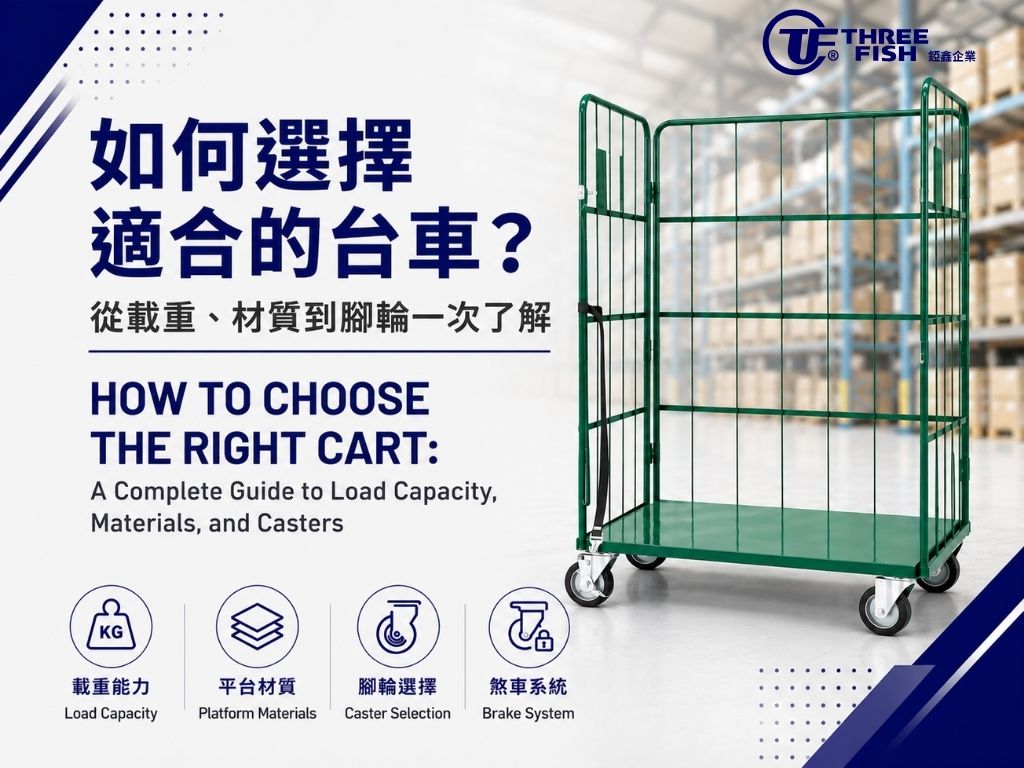
Introduction: Choosing the Right Trolley is the Key to True Handling Efficiency
In logistics centers, manufacturing plants, warehouses, retail channels, food processing facilities, hospitals, and various commercial spaces, trolleys are indispensable tools for daily material handling. Whether transporting raw materials, semi-finished goods, final products, or daily supplies, the right trolley significantly boosts efficiency, reduces physical strain, and minimizes safety risks.
However, during procurement, many enterprises focus solely on price or maximum load capacity, overlooking critical factors such as platform dimensions, frame materials, caster configurations, brake systems, and actual working environments. An incorrect specification—no matter how sturdy the trolley’s frame—can lead to strenuous pushing, poor maneuverability, decreased handling efficiency, and even increased risks of equipment damage and workplace injuries.
A high-quality trolley is more than just a platform for carrying goods; it is a comprehensive material handling solution. The platform structure, caster performance, braking mechanism, and operating environment are all interconnected. Only by selecting the appropriate specifications can you maximize handling efficiency.
Drawing from Der Teng (TF Caster)’s extensive experience in logistics trolleys, hand trucks, roll cages, and industrial casters, this article explores the critical details you cannot ignore when purchasing a trolley, helping your enterprise build a safer and more efficient material handling workflow.
1. Types of Trolleys: Purpose-Driven Designs
While commonly referred to simply as "trolleys," these tools are designed in various formats based on handling requirements, environments, and cargo characteristics. Selecting the appropriate type is often more crucial than blindly pursuing high load capacities or low prices.
- Platform Trolleys: Featuring a flat loading surface, these are ideal for moving cartons, equipment, tools, and bulky items. Due to their simple structure and ease of use, they are widely utilized in factories, logistics centers, warehouses, and general commercial spaces.
- Logistics Trolleys: Designed for high-efficiency cargo flow, these are frequently used in distribution centers, large warehouses, and manufacturing plants to reduce manual handling frequency and boost overall operational speed.
- Roll Cages (Logistics Cages): Compared to standard platform trolleys, roll cages feature safety rails or wire mesh on the sides, effectively preventing goods from falling during transit. They are particularly suitable for retail chains, supermarkets, distribution networks, and large-scale inventory management.
- Specialized Trolleys: Depending on industry requirements, options such as folding trolleys, stainless steel carts, specialized hand trucks, and custom-built handling platforms are available to fit specific equipment sizes, handling methods, and workflows.
Pro Tip: Before making a purchase, analyze your actual material handling workflow rather than just comparing prices or appearances.
2. How to Choose the Right Trolley Based on Operational Needs
Different industries have distinct material handling requirements. Therefore, procurement decisions should be grounded in actual operational scenarios rather than merely comparing technical specifications.
| Selection Criteria | Evaluation Recommendations |
|---|---|
| Cargo Characteristics | Confirm the dimensions, weight, and stability of the goods to prevent using an undersized platform or causing unstable transport. |
| Maximum Load Capacity | We recommend selecting a capacity 20% to 30% higher than the actual load to balance safety and equipment lifespan. |
| Platform Dimensions | Choose a platform size that accommodates the cargo perfectly, preventing overhangs that could compromise handling safety. |
| Platform Material | Select steel, stainless steel, or plastic platforms based on the working environment to balance durability, corrosion resistance, and overall weight. |
| Operating Environment | Trolley configurations vary significantly across different settings, such as indoor or outdoor areas, logistics centers, factories, food processing plants, and medical facilities. |
| Transport Distance | For long-distance moving, we recommend outfitting the trolley with larger, high-quality casters to minimize rolling resistance. |
| Caster Configuration | Choose the appropriate wheel diameter, wheel material, swivel/rigid caster combination, and brake setup based on the load weight, floor conditions, and operational needs. |
Beyond the criteria mentioned above, it is also essential to consider future needs, such as equipment expansion, workflow adjustments, or increased handling frequency. A comprehensive evaluation during the initial procurement phase not only enhances material handling efficiency but also minimizes the future costs of equipment replacement.
3. Load Capacity: Bigger Isn't Always Better
A common misconception is that a higher load capacity equals better quality, leading buyers to automatically choose the highest specifications.
However, excessive load capacity is not always optimal. Generally, higher capacity trolleys require thicker, heavier frames. If your daily loads are relatively light, a heavy trolley will increase rolling resistance, make pushing more strenuous, and needlessly inflate procurement costs.
- The Golden Rule of Sizing: Select a specification based on your actual load weight, and add a 20% to 30% safety factor. For instance, if your daily load is 300 kg, choose a trolley with a maximum capacity of 360 to 400 kg. This ensures safety while extending the lifespan of both the trolley and its casters.
- The Danger of Overloading: Frequent overloading causes platform deformation and accelerates the wear and tear of casters, brackets, and bearings, leading to higher maintenance and replacement costs.
4. Platform Material: Impact on Durability and Application
Beyond load capacity, the platform material is a primary consideration that affects durability, total weight, corrosion resistance, and environmental suitability.
- Steel Platforms: Offering excellent structural strength and load-bearing capacity, steel is the standard choice for logistics centers, factories, and warehouses handling heavy-duty goods.
- Stainless Steel Platforms: For food processing, biotechnology, medical facilities, or high-humidity environments, stainless steel is superior. It provides exceptional corrosion resistance and is easy to clean, meeting strict industry hygiene standards.
- Plastic Platforms: Lightweight, rust-proof, and highly impact-resistant, plastic platforms are widely used in general commercial spaces, offices, and for indoor material handling.
Evaluate your working environment, cargo type, and budget holistically when choosing a material.
5. Caster Configuration: The Core of Trolley Performance
While buyers first notice platform size or load capacity, the caster configuration is what truly dictates the daily user experience. Casters determine ease of movement, steering agility, handling efficiency, noise levels, and overall lifespan.
- Wheel Material: Logistics warehouses often require highly wear-resistant and high-load wheels (e.g., PU or Nylon). Indoor handling benefits from silent TPR or rubber wheels to reduce noise and enhance comfort. Food and medical sectors may require stainless steel caster brackets for maximum corrosion resistance.
- Wheel Diameter: Larger wheels traverse thresholds, floor joints, and uneven surfaces much easier than smaller ones.
- Swivel vs. Rigid Setup: A proper combination of rigid (directional) and swivel (universal) casters balances straight-line stability with agile steering.
6. Brake Systems: Crucial for Operational Safety
A trolley that is easy to push must also be reliable when stationary. Brake systems are often overlooked, yet they are vital for both operational convenience and workplace safety.
- Logistics Loading: When loading or unloading, a trolley without secure brakes can roll away due to slight floor inclines or accidental bumps, risking cargo damage or worker injury.
- Production Lines: If a trolley must be temporarily parked next to machinery, a stable brake prevents disruption to the workflow.
- Brake Types: Common configurations include Wheel Brakes (locking only the wheel rotation) and Total Lock Brakes / Double Brakes (simultaneously locking both wheel rotation and swivel direction for maximum stability).
7. The Application Advantages of Der Teng (TF Caster) Logistics Trolleys
Because different industries have unique handling needs, a trolley must align with actual operational workflows to genuinely improve efficiency.
Der Teng provides a diverse range of logistics trolleys, hand trucks, and roll cages applied across distribution centers, manufacturing plants, retail channels, food processing, and commercial spaces.
- Roll Cages: Ideal for high-volume handling and centralized distribution. The protective rail design prevents goods from falling, enhancing safety while facilitating easy sorting, temporary storage, and routing.
- High-Performance Customization: Our logistics trolleys boast high load capacities and excellent mobility. They can be equipped with various industrial casters and brake systems based on your specific weight limits and environmental conditions.
- Technical Support: To expedite equipment integration, Der Teng provides comprehensive product data, including structural specifications, material details, installation guides, and technical documents. We also offer 3D CAD files and customized configuration consulting to streamline your product development and procurement processes.
8. How to Extend the Lifespan of Your Trolleys
Even high-quality trolleys require basic maintenance and proper usage to avoid premature failure and costly repairs.
- Regular Inspections: Periodically check for caster wear, loose brackets, functional brakes, and clear the wheels of debris, hair, or plastic wrap. Unattended debris will severely impact rolling efficiency and cause early caster failure.
- Avoid Overloading: Do not exceed the designed load capacity to prevent frame deformation and bearing damage.
- Environmental Matching: Ensure your casters match the floor conditions. Using the right wheels in rough, high-frequency, or wet environments drastically reduces wear and tear.
Frequently Asked Questions (FAQ)
Q1: What is the difference between a logistics trolley and a roll cage?
Logistics trolleys have open platforms suitable for large equipment or bulky goods. Roll cages feature side rails or wire mesh to prevent items from falling, making them ideal for high-volume distribution, warehouse picking, and retail environments.
Q2: Is a higher load capacity always better?
Not necessarily. It is recommended to choose a specification based on your actual load plus a 20% to 30% safety factor. Over-specifying can increase procurement costs and make the trolley heavier and harder to push.
Q3: How do I choose the right casters?
Evaluate based on the load weight, floor conditions, usage frequency, and environment. Consider wheel diameter, wheel material, the ratio of swivel to rigid casters, and the necessity of brake systems.
Q4: Can trolleys be customized?
Yes. Platform dimensions, frame structures, caster configurations, brake types, and other specific requirements can be customized to suit different industrial applications and environments.
Q5: How often should trolleys be inspected?
For daily, high-frequency use, we recommend a monthly inspection of caster wear, brake functionality, and frame integrity. In harsh environments, maintenance intervals should be shortened to keep the equipment in peak condition.
Conclusion: Building Safer, More Efficient Material Handling Solutions
Selecting the right trolley does more than just improve handling speed; it optimizes workflows, reduces physical labor, and extends equipment longevity. From platform structure and load capacity to caster configurations and brake systems, every detail impacts the operational experience.
Der Teng (TF Caster) offers a comprehensive portfolio of logistics trolleys, hand trucks, roll cages, and industrial casters. We provide professional configuration advice tailored to your industry, handling demands, and working environment.
If you are planning to upgrade your material handling equipment or wish to improve the efficiency of your current trolleys, contact the experts at Der Teng today. We will help you configure the perfect solution, making every transport safer, lighter, and more efficient.